What is CUPS Corrosion?
Causes of External Corrosion Under Pipe Supports
- Erosion of Protective Coating The erosion of the pipe’s protective paint coating is primarily attributed to the friction generated between the pipe and its supporting structure. This friction arises from both noticeable and imperceptible movements of the pipe, which can be attributed to several factors, including:
- Rotating Equipment: The presence of attached rotating equipment induces vibrations and movements.
- Fluid Flow: The flow of fluids within the pipe causes internal turbulence and external vibrations.
- Temperature Fluctuations: Day-night and seasonal temperature variations cause the pipe to expand and contract.
- Crevice Corrosion Crevice corrosion is a localized form of corrosion that occurs within narrow gaps or crevices, such as the junction between a pipe and its supports. This type of corrosion is primarily triggered by the entrapment of corrosive agents, including moisture, salts, chemicals, and pollutants, within these crevices. The stagnant conditions within these confined spaces give rise to differential oxygen concentrations and concentration cells, which accelerate the corrosion process. The presence of the crevice restricts oxygen access and hampers the flow of protective substances like inhibitors, thereby fostering a corrosive environment.
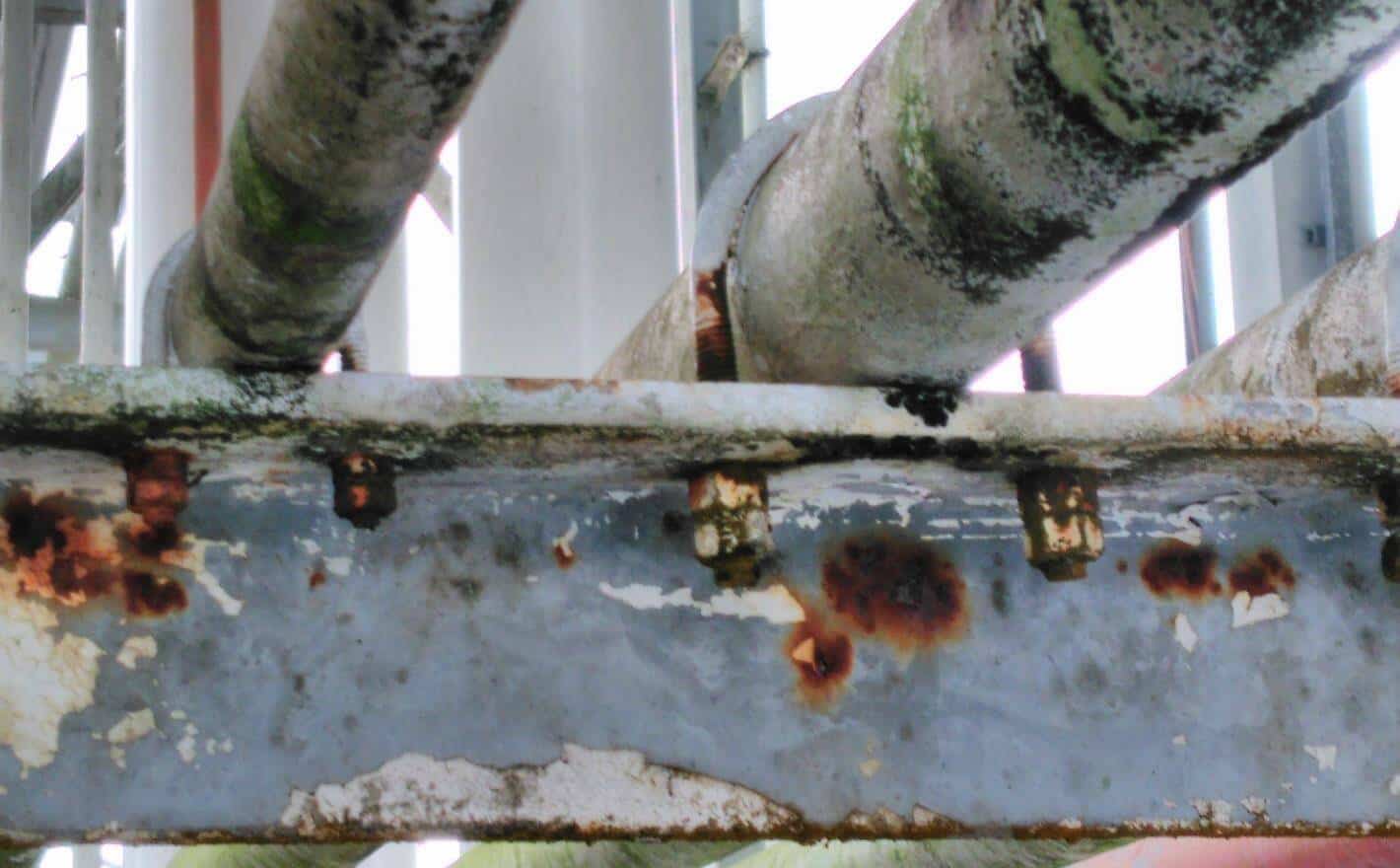
- Galvanic Corrosion Galvanic corrosion arises when two dissimilar metals or alloys come into electrical contact within the presence of an electrolyte, such as moisture or a corrosive fluid. In the context of corrosion under pipe supports, galvanic corrosion assumes particular significance. When pipe supports are constructed using different metals or alloys, or when pipes make contact with diverse metallic supports, a galvanic couple is formed. This sets off an electrochemical reaction, wherein one metal acts as the anode and undergoes corrosion, while the other metal functions as the cathode and remains protected.
Over time, galvanic corrosion can result in metal loss, deterioration of the affected components, and potentially lead to structural issues within the piping system. It is crucial to carefully consider the compatibility of metals used in the construction of pipe supports to minimize the risk of galvanic corrosion and ensure the long-term integrity of the system.
- Microbiologically-Influenced Corrosion (MIC) MIC is another significant cause of corrosion under pipe supports. MIC occurs when microorganisms, such as bacteria, fungi, or algae, colonize the surface of the pipes and create an aggressive environment. These microorganisms can produce corrosive byproducts, such as organic acids or sulfides, which attack the metal surface and promote corrosion. Additionally, the formation of biofilms, a slimy layer created by microbial activity, can trap moisture and corrosive substances against the pipe surface, accelerating the corrosion process.
Other Types of Corrosion in Piping Systems
- Pitting Corrosion: Pitting corrosion is a localized form of corrosion that leads to the creation of small holes or pits in the metal. This type of corrosion is particularly dangerous because it can cause significant structural damage with very little overall metal loss. Pitting is often initiated by chloride ions and can occur in environments where protective coatings are damaged or not present.
- Intergranular Corrosion: Intergranular corrosion occurs along the grain boundaries of metal. It is often a result of improper heat treatment or welding practices that cause the precipitation of carbides at grain boundaries. This type of corrosion weakens the metal along these boundaries, leading to potential structural failure.
- Stress Corrosion Cracking (SCC): SCC is the growth of crack formation in a corrosive environment. It typically occurs when a material is subjected to tensile stress and a corrosive environment simultaneously. This type of corrosion can lead to sudden and unexpected failure of ductile metals.
- Uniform Corrosion: Uniform corrosion occurs uniformly across the entire surface of the metal. This type of corrosion is generally predictable and easier to manage compared to localized forms of corrosion. However, it can still lead to significant metal loss over time if not properly managed.
Potential Product Solutions for Corrosion Protection
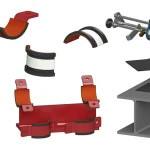
- FRP Supports: Fiber-reinforced plastic or polymer (FRP) supports offer several advantages for combating corrosion under pipe supports:
- Corrosion Resistance: FRP supports are highly resistant to chemical attack, making them ideal for environments with high exposure to corrosive substances.
- Vibration Dampening: FRP supports can be customized with materials that dampen vibrations, reducing wear and tear on the pipes.
- Thermal Expansion Accommodation: FRP supports can be designed with features like slotted holes and PTFE liners to allow for controlled axial movement, accommodating thermal expansion and contraction.
- Non-Conductive: Being non-conductive, FRP supports eliminate the risk of galvanic corrosion, which is a significant advantage when different metals are present in the system.
- Protective Coatings & Linings:
- Epoxy Coatings: Epoxy coatings provide a durable barrier against moisture and chemicals, protecting the underlying metal from corrosion.
- PTFE Liners: PTFE liners can reduce friction and prevent the buildup of corrosive substances in crevices and other vulnerable areas.
- Galvanic or Anodic Protection: Using sacrificial anodes can protect critical components from galvanic corrosion by redirecting the electrochemical reaction to the anode.
- Regular Maintenance and Inspection:
- Routine Inspections: Regularly inspecting pipes and supports for signs of corrosion can help identify and mitigate problems before they become severe. Major methods of inspection for CUPS corrosion include visual inspection, ultrasonic testing, radiographic testing, magnetic particle testing, and eddy current testing, among others. These techniques help detect surface and subsurface corrosion, ensuring the integrity of the piping system.
- Cleaning: Keeping pipes and supports clean from debris and corrosive substances helps maintain their integrity and prolongs their lifespan.
- Repair and Replacement: Promptly repairing or replacing damaged components prevents further corrosion and potential system failure.
FAQ's
Typical Queries and Information
What is Corrosion Under Pipe Support (CUPS)?
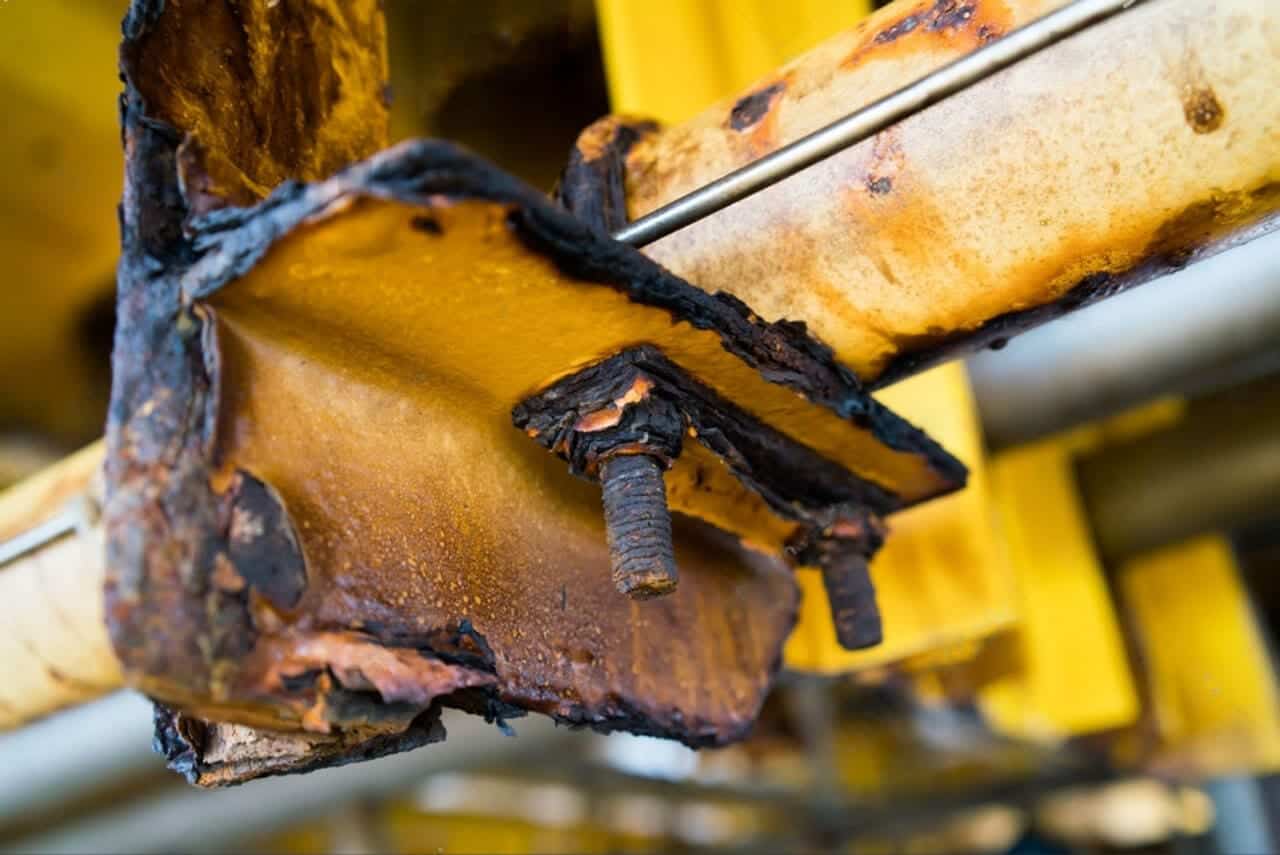
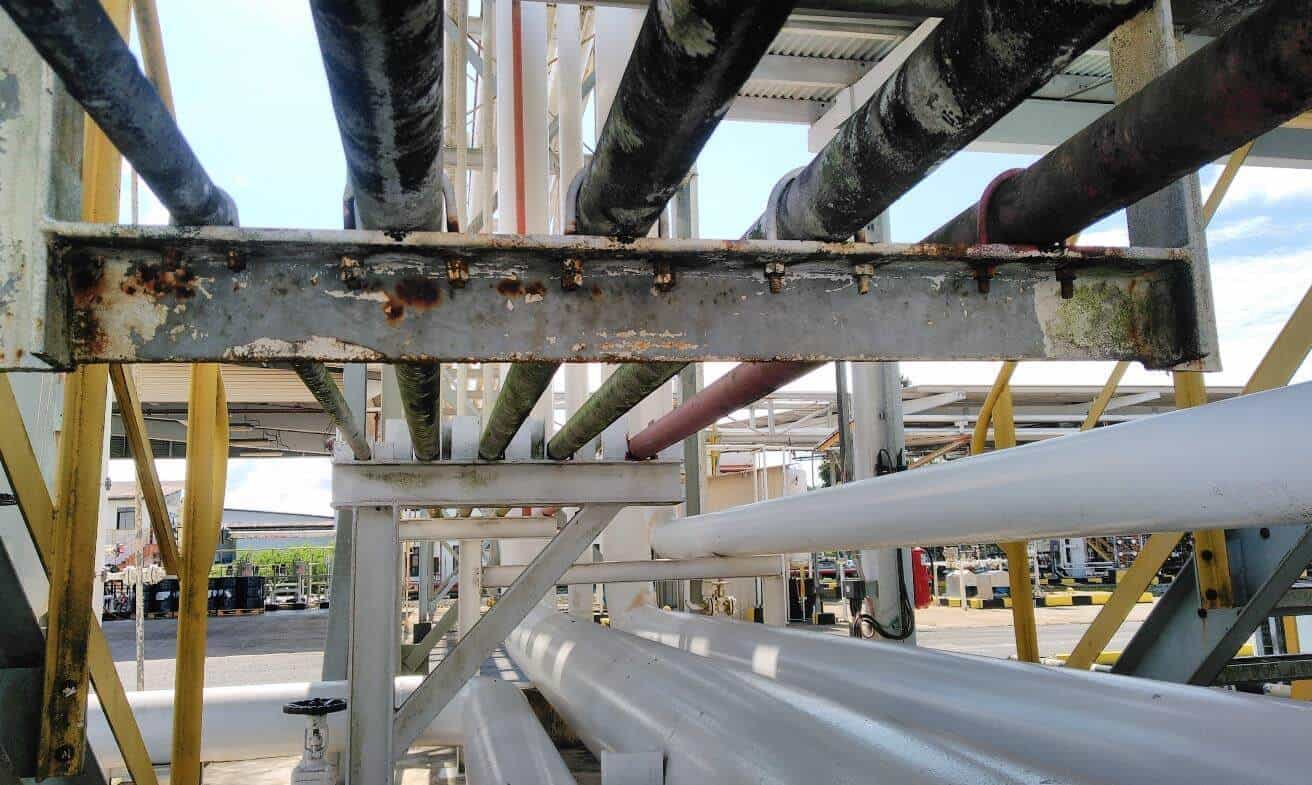
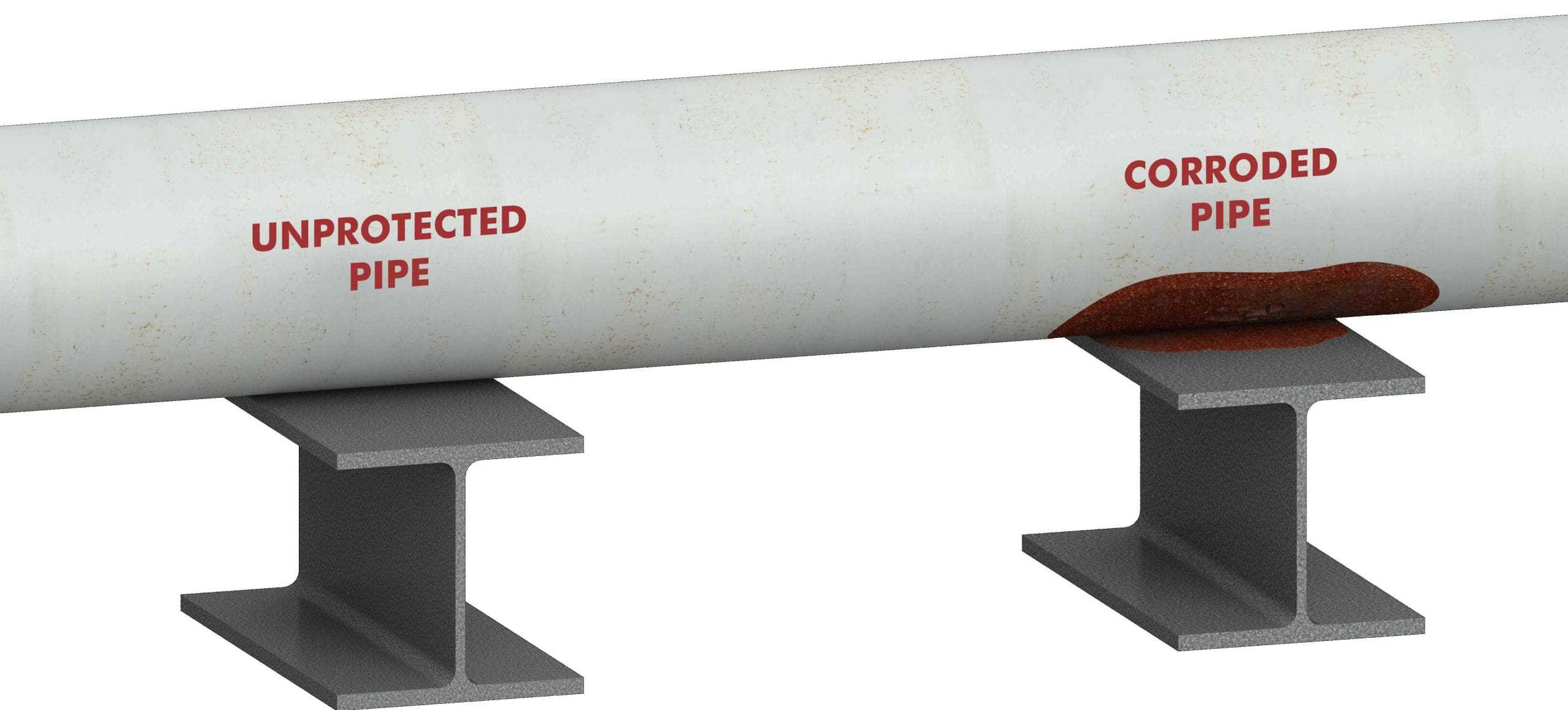
CUPS is a specific form of localized external corrosion that occurs at the point where a pipe rests on a structural support, such as a beam or sleeper. It is often caused by trapped moisture, debris, and the failure of protective coatings due to friction between the pipe and the support.
Why is CUPS considered one of the leading causes of piping failures?
CUPS is particularly dangerous because it occurs at the "touchpoint"—the area where the pipe makes contact with the support. This area is often hidden from view, making it difficult to inspect without lifting the line. If left undetected, it can lead to significant wall thinning and eventual leaks or catastrophic ruptures.
How does thermal expansion contribute to CUPS?
As piping systems heat and cool, they expand and contract, causing the pipe to move across its supports. This axial movement creates friction that can wear down or "abrade" the protective coating on the pipe's outer wall. Once the bare metal is exposed, environmental moisture and air trigger the oxidation process.
What role does "crevice geometry" play in pipe support corrosion?
The tight space between a pipe and its support creates a natural crevice. This area traps rainwater, condensation, and salt (in coastal environments), preventing them from evaporating. This creates a "micro-environment" where corrosion occurs at a much faster rate than on the rest of the exposed pipe surface.
How do non-metallic solutions like the SmartPad System prevent CUPS?
Non-metallic solutions eliminate metal-to-metal contact by providing an isolation barrier. Systems like the SmartPad utilize a contoured FRP saddle and a sealed gasket (such as the Hydroseal) to prevent moisture from entering the touchpoint area, while also providing a sacrificial wear surface that accommodates movement without damaging the pipe.
Can CUPS be prevented by simply painting the pipe?
While a high-quality coating is the first line of defense, paint alone is rarely enough at touchpoints. The weight of the pipe and the constant movement during thermal cycles will eventually breach the coating. Long-term prevention requires a combination of robust coatings and a physical separation or isolation system at the support point.